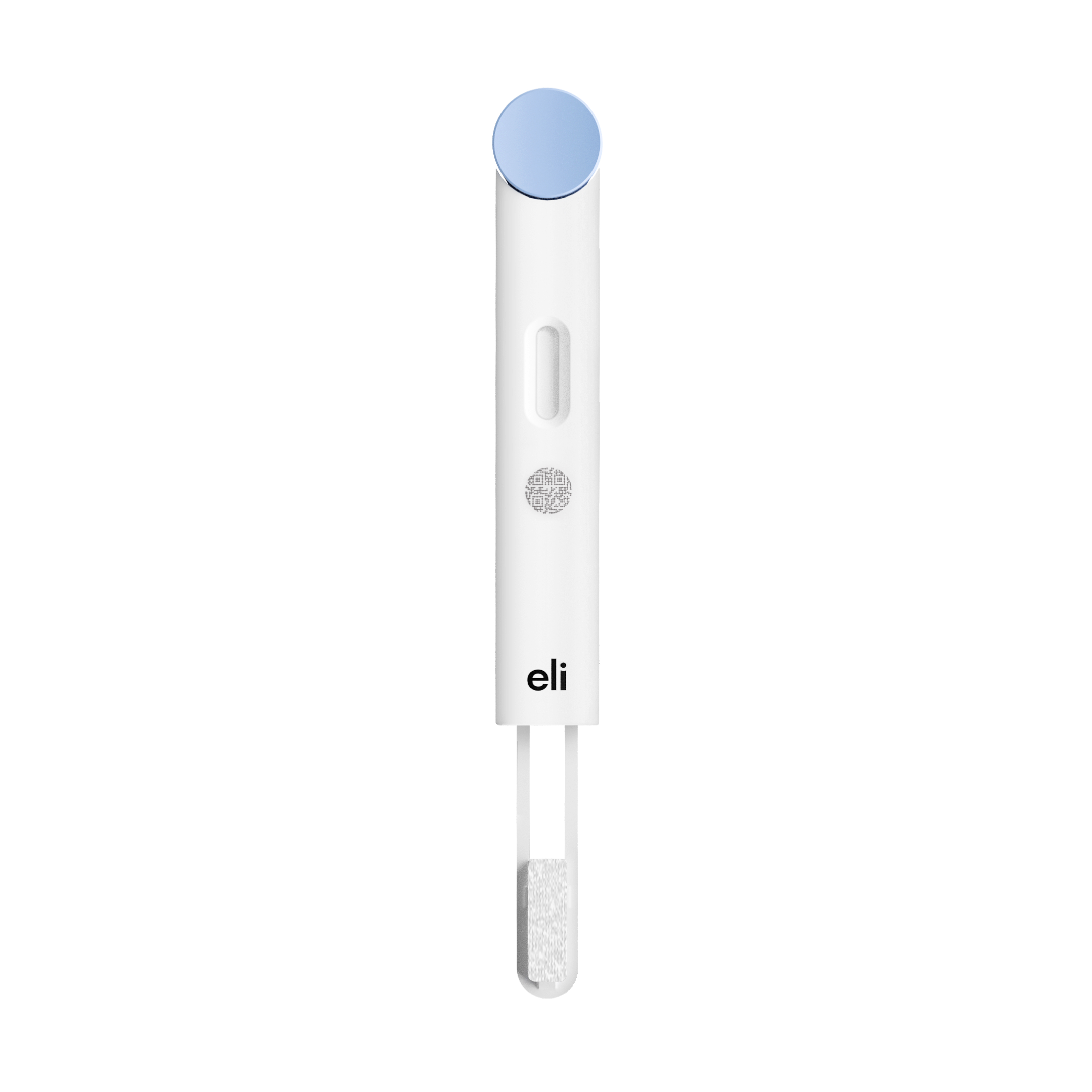
Cortisol Hormometer™
by Eli Health
The first instant hormone monitoring system. A saliva-based Hormometer™ paired with the Eli app gives a live feed of your cortisol rhythm, so you can see how stress, sleep, and recovery shift from hour to hour.
This page contains affiliate links. Dr. Groysman may receive a commission at no additional cost to you. Full disclosure.
Clinical Note
Cortisol dysregulation shows up in many of my Long COVID patients. Research consistently finds blunted morning cortisol and disrupted diurnal rhythm in post-viral illness, which maps onto the fatigue, brain fog, and sleep disruption patients describe. The Hormometer™ gives patients real-time visibility into their own cortisol pattern, supporting the recovery work we do together in clinic.
How It Works
Cortisol follows a daily rhythm that drives energy, focus, recovery, and sleep. The Hormometer™ makes that rhythm visible through three connected pathways:
Diurnal Rhythm Visibility
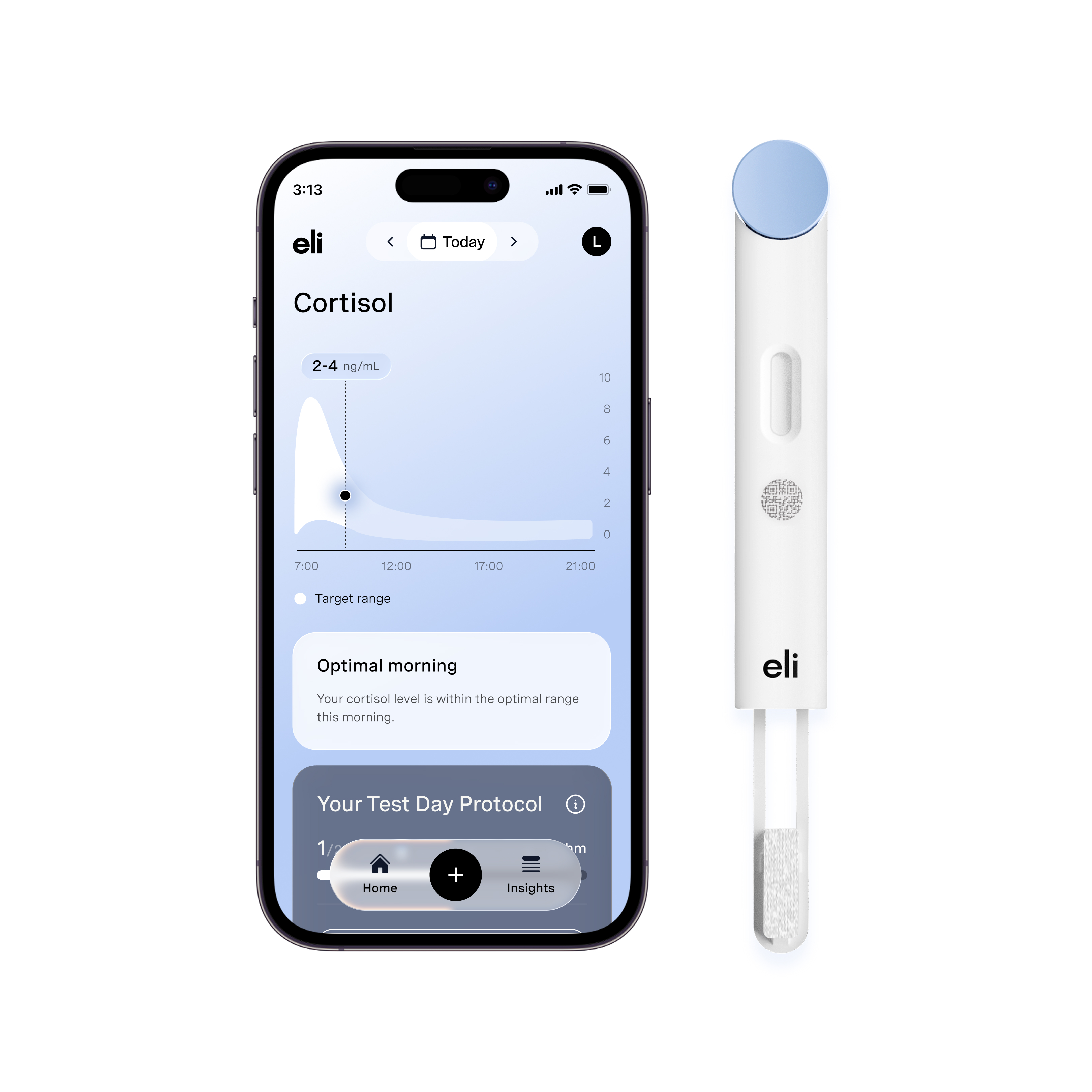
Cortisol follows a natural daily curve, peaking in the morning and falling toward evening. The Hormometer™ charts your actual rhythm against the expected pattern, so disruption becomes visible instead of guessed at.
Stress and Recovery Context
Spot-testing after workouts, stressful events, or poor sleep shows how your body is responding in real time. Patterns emerge across days and weeks, linking lifestyle inputs to measurable biological signal.
Lifestyle Adjustment Feedback
Changes to sleep timing, light exposure, meal timing, or training load can be tested against your own cortisol data. Instead of guessing whether a change helped, you measure it.
Instant Cortisol Visibility for Long COVID Recovery
Cortisol is the body’s primary stress hormone, shaping how you wake up, how you handle load, how you recover, and how you sleep. It follows a daily rhythm called the diurnal curve, peaking roughly 30 minutes after waking and falling gradually across the day. When that rhythm flattens or inverts, it shows up everywhere: morning fatigue that coffee cannot fix, wired-but-tired evenings, restless sleep, blunted recovery from exercise, thinning resilience to ordinary stress.
Long COVID patients often live inside that flattened curve. Published research has found lower morning cortisol and disrupted HPA axis signaling in post-viral illness, mirroring patterns seen in myalgic encephalomyelitis. The symptoms line up: the exhaustion on waking, the crash after mild exertion, the sleep that never quite restores.
The Cortisol Hormometer™ makes that rhythm visible.
How It Works
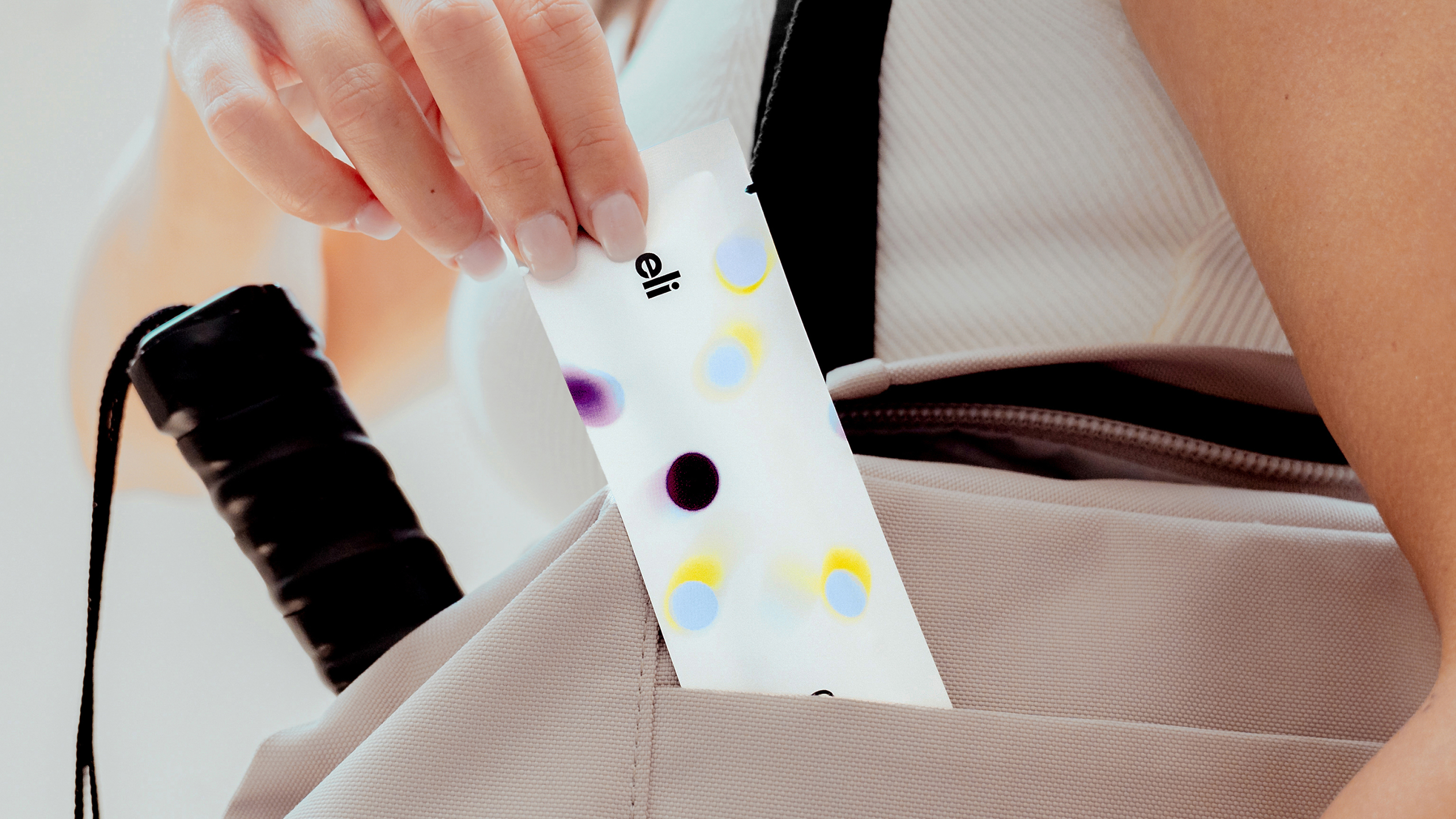
You soak the test pad with a saliva sample, pull the tab, and scan the strip in the Eli app. Roughly 20 minutes later, the app shows a cortisol score from 0 to 100 calibrated to the expected level for that time of day. Higher scores mean closer alignment with your body’s optimal cortisol rhythm.
A lab draw gives one data point, hours after collection. The Hormometer™ gives a live feed across the day. Morning and evening tests capture your baseline curve. Spot tests after a hard workout, a stressful call, or a rough night show how your body is actually responding in the moment. Across days and weeks, the app builds a personal hormone profile: diurnal rhythm against the expected curve, trend graphs, and lifestyle log prompts that surface what is driving the numbers.
Eli reports 97% accuracy compared with laboratory reference methods. The company positions the product as the first instant hormone monitoring system available direct to consumers.
Why Dr. Groysman Recommends Tracking Cortisol
Dr. Groysman treats Long COVID patients at COVID Institute. HPA axis dysregulation is one of the six mechanisms he works through with every patient, and cortisol is the single most accessible biomarker in that system.
“Patients tell me their energy is unpredictable, their sleep is broken, and their stress tolerance is gone. Those are cortisol stories. Blood draws give me one snapshot hours after collection, which is not enough to see what is actually happening. When a patient can test their own cortisol in the morning, again in the evening, after a hard day, and before a restless night, we suddenly have a map. The Hormometer™ turns a vague symptom into a measurable pattern, and that changes what we can do about it.”
He positions the Hormometer™ as a measurement tool rather than a treatment. The value sits in pattern visibility: once the rhythm is legible, sleep timing, light exposure, pacing, and training load can be adjusted and measured rather than guessed.
Who May Benefit
The Cortisol Hormometer™ may be useful for Long COVID patients experiencing:
- Morning fatigue that does not improve with caffeine or more sleep
- Wired-but-tired evenings and difficulty falling asleep despite exhaustion
- Post-exertional malaise or slow recovery from ordinary activity
- Blunted stress tolerance compared to pre-illness baseline
- Brain fog that tracks with sleep and stress patterns
- A wish to test lifestyle changes against an objective signal rather than how they feel day to day
Important Context
The Hormometer™ is a wellness product for lifestyle insights. It is not a medical device and is not intended to diagnose, treat, cure, or prevent any medical condition. Suspected cortisol disorders such as Addison’s disease or Cushing’s syndrome need evaluation through your physician and laboratory testing. Bring any unexpected patterns you see in the Eli app to your care team.
The app currently supports iPhone (iOS 15+). Android support is on the roadmap.
Ready to see your cortisol rhythm?
View on Eli HealthDevice Specifications
What's Included
Hormometer™ cortisol test strips and access to the Eli app. 10% affiliate discount applies at checkout through the link on this page.
Frequently Asked Questions
What is the Cortisol Hormometer™?
Why track cortisol for Long COVID recovery?
How often should I test?
How accurate is it compared to a lab test?
Is this a medical device?
What do I need to do before testing?
Does it work with Android?
What do I get with the affiliate link?
Can I use this alongside other treatments?
This product is not intended to diagnose, treat, cure, or prevent any disease. Individual results may vary.